Trump Weighs Stricter AI Security Measures Following OpenAI Breaches
Trump administration shifts stance on artificial intelligence regulation after OpenAI hacking incidents. Discover new AI control policies and cybersecurity meas...
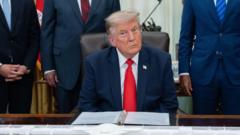
Trump Administration Reconsiders AI Governance Approach
The Trump administration is now evaluating comprehensive AI security measures in response to recent cybersecurity breaches affecting OpenAI, marking a significant departure from its previously deregulatory stance on emerging technologies. This policy shift indicates growing concerns about protecting critical artificial intelligence infrastructure from sophisticated cyber attacks.
Background of Recent OpenAI Security Incidents
OpenAI has experienced multiple hacking attempts that compromised sensitive systems and data. These security breaches have raised alarm bells across government agencies and technology sector stakeholders regarding the vulnerability of major AI platforms. The incidents have prompted federal officials to reassess the current regulatory framework governing artificial intelligence development and deployment.
Policy Shift: From Hands-Off to Proactive Regulation
Previously, the Trump administration adopted a predominantly hands-off regulatory approach to artificial intelligence and related technologies, allowing market forces and industry self-governance to guide development. However, the recent OpenAI hacking incidents have prompted senior officials to reconsider this laissez-faire strategy.
Administration officials are now exploring potential government interventions that could strengthen cybersecurity protocols across the AI sector. This represents a notable change in philosophy, acknowledging that certain technologies may require targeted oversight to protect national security interests and prevent malicious actors from exploiting vulnerabilities.
Proposed AI Control Frameworks
The administration is examining several potential mechanisms for implementing stronger AI security measures, including mandatory security audits, enhanced reporting requirements for cybersecurity incidents, and stricter access controls for sensitive AI systems. These proposals aim to establish baseline security standards without imposing prohibitive restrictions on innovation.
Key Components of Proposed Regulations
Potential measures under consideration include requirements for AI companies to disclose security vulnerabilities, implement multi-factor authentication systems, and conduct regular penetration testing. Officials are also discussing whether federal agencies should establish cybersecurity certification standards for organizations handling advanced artificial intelligence systems.
Industry Response and Stakeholder Concerns
Technology companies have expressed mixed reactions to the possibility of increased government oversight. While some industry leaders support stronger security standards as essential for protecting critical infrastructure, others worry that excessive regulation could slow innovation and drive development overseas.
OpenAI and other major AI security measures proponents argue that balanced regulation can enhance protection without stifling technological advancement. Industry representatives are engaging with policymakers to shape any forthcoming regulatory framework.
National Security Implications
The breaches have highlighted concerns among national security officials about foreign adversaries potentially exploiting vulnerabilities in American AI systems. Intelligence agencies have identified nation-state actors conducting sophisticated reconnaissance on leading artificial intelligence platforms, intensifying urgency around protective measures.
Future Outlook for AI Regulation
The shift toward government oversight of artificial intelligence security represents a broader recalibration of federal technology policy. While the administration maintains its commitment to fostering innovation, the recent incidents demonstrate that certain safeguards may be necessary to protect vital technological infrastructure.
Expect further announcements regarding specific regulatory proposals in coming weeks as the administration continues deliberations with relevant agencies, industry leaders, and security experts. This evolving approach suggests artificial intelligence governance will increasingly balance innovation incentives with security imperatives.