Tourists Evacuated by Sea from Raging Greek Wildfire
Hundreds of tourists escape Greek wildfire by sea as emergency operations continue across Europe. Read about the evacuation efforts and ongoing blazes.
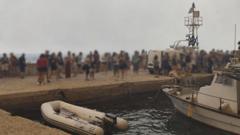
Greek Wildfire Evacuation: Hundreds Rescued by Sea
A dramatic maritime rescue operation unfolded as approximately 500 people, predominantly tourists, were evacuated by boat from the coastal area of Agios Vasileios following entrapment by an advancing Greek wildfire. The emergency evacuation by sea marked a critical response to the intensifying fire crisis affecting multiple European regions.
The Agios Vasileios Evacuation Operation
The Greek wildfire evacuation involved coordinated efforts between local authorities and rescue teams who mobilized vessels to transport stranded visitors from the threatened seaside community. With alternative escape routes cut off by rapidly spreading flames, maritime transport became the primary lifeline for those caught in the danger zone.
Rescue personnel worked through challenging conditions to safely board approximately 500 evacuees onto waiting boats. The operation demonstrated the critical importance of multi-modal emergency response strategies when traditional evacuation routes become impassable due to advancing wildfire activity.
Widespread Wildfire Impact Across Europe
The Greek wildfire represents part of a broader crisis affecting numerous European nations. Beyond the Mediterranean nation, multiple countries are experiencing concurrent wildfire outbreaks, straining regional emergency resources and prompting international coordination of firefighting efforts.
The synchronized nature of these blazes across Europe highlights climate-related challenges and extreme weather patterns impacting the continent. Emergency services across affected nations have mobilized additional resources to contain the spreading fires and protect vulnerable populations.
Tourist Safety During the Greek Wildfire Crisis
The majority of evacuees from the Greek wildfire incident were holidaymakers visiting the region during peak tourism season. Their entrapment underscores how natural disasters can rapidly threaten recreational areas with minimal warning, necessitating swift emergency response protocols.
Tourism authorities coordinated with emergency services to ensure evacuated tourists received necessary support, including medical assessment and temporary accommodation arrangements. The incident prompted reviews of emergency preparedness measures in popular tourist destinations vulnerable to seasonal wildfire activity.
Emergency Response Coordination
The successful execution of the Greek wildfire evacuation by sea relied on effective inter-agency communication and rapid decision-making. Maritime authorities, coast guard personnel, and local emergency management teams collaborated to execute one of the largest evacuation operations of its kind in the region.
The scale of this Greek wildfire evacuation operation—involving hundreds of people transported across water—demonstrated both the severity of the situation and the effectiveness of coordinated emergency protocols when catastrophic situations develop unexpectedly.
Broader European Wildfire Situation
As wildfire incidents continue throughout Europe, experts emphasize that the Greek wildfire evacuation scenario may become increasingly common without comprehensive strategies addressing climate change and forest management. Regional cooperation remains essential for managing cross-border wildfire threats and sharing emergency response resources.
The ongoing European wildfire crisis demands sustained attention to prevention strategies, emergency preparedness improvements, and resource allocation for affected communities. The Greek wildfire evacuation serves as a stark reminder of nature's power and the importance of maintaining robust emergency response capabilities across vulnerable regions.


