Sainsbury's Sells Argos Subsidiary for £120 Million Deal
Sainsbury's completes Argos sale for £120m. Argos maintains operations in Sainsbury's stores with Habitat products and Nectar loyalty rewards.
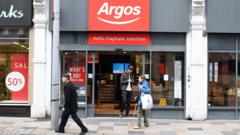
Sainsbury's Sells Argos Subsidiary for £120 Million
In a significant retail transaction, Sainsbury's has finalized the disposal of its Argos subsidiary through a £120 million agreement. The Sainsbury's Argos sale represents a strategic decision by the supermarket chain regarding its retail portfolio. This transaction marks an important shift in how the retailer manages its diverse business divisions.
Operational Framework Following the Transaction
Despite the change in ownership structure, the operational relationship between the two retailers remains robust and interconnected. Argos will continue its established presence within Sainsbury's store locations, maintaining the integrated retail presence that customers have become familiar with across the United Kingdom.
Store Integration and Customer Experience
The arrangement ensures that Argos maintains accessibility to millions of Sainsbury's shoppers who visit supermarkets regularly. This co-location strategy preserves the convenience factor that has made the partnership valuable for both retailers. Customers visiting Sainsbury's locations will still have direct access to Argos merchandise and services without requiring separate journeys.
Product Lines and Retail Offerings
The deal preserves important product relationships that strengthen the combined retail offering. Argos will continue to prominently feature and sell Habitat products, the home furnishings and lifestyle brand. This product exclusivity arrangement ensures that customers seeking quality home goods can access them through both the Argos catalog and physical Sainsbury's store locations.
Loyalty Program Continuity
A critical component of the agreement involves maintaining the Nectar loyalty program across both retail operations. The Nectar points system represents one of the most valuable customer retention mechanisms in British retail. Customers will continue accumulating and redeeming Nectar points when shopping at Argos within Sainsbury's stores, preserving the integrated rewards experience.
Consumer Benefits of the Arrangement
This loyalty program continuity ensures customers maintain flexibility in how they earn and use rewards across the retail group. Shoppers benefit from simplified redemption options and accumulated points value that transcends individual retailers. The seamless integration of Nectar points strengthens customer lifetime value and shopping frequency.
Strategic Implications for Sainsbury's
The £120 million sale reflects Sainsbury's strategic focus on core supermarket operations while monetizing non-core assets. This capital release enables the retailer to invest in store modernization, supply chain optimization, and competitive pricing strategies. The arrangement demonstrates that divestment need not mean service reduction for customers.
By retaining operational control over how Argos functions within its stores, Sainsbury's maintains influence over the customer experience without bearing full ownership responsibilities. This hybrid approach represents modern retail strategy where partnerships often prove more valuable than complete vertical integration.
Habitat Brand Positioning
The continued distribution of Habitat products through both Sainsbury's and Argos channels strengthens the brand's market reach. Home furnishings represent a higher-margin category that enhances overall basket value for both retailers. The arrangement ensures customers discover these products through their preferred shopping channels.
Conclusion
The Sainsbury's Argos sale for £120 million exemplifies contemporary retail restructuring where ownership changes need not disrupt customer service or operational integration. The preservation of store-within-store operations, Habitat product availability, and Nectar rewards demonstrates commitment to maintaining service standards. This transaction balances capital optimization with customer experience preservation, creating a sustainable framework for both retailers' future growth in increasingly competitive retail markets.