Massive Wildfire Forces 500 Tourists to Sea Evacuation
A devastating Greek wildfire evacuated 500 tourists by boat from Agios Vasileios. Read how Europe battles unprecedented blazes affecting millions.
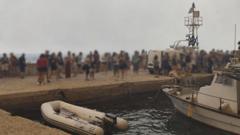
Greek Wildfire Emergency Forces Large-Scale Sea Evacuation
A severe Greek wildfire evacuation unfolded across the Mediterranean as approximately 500 individuals, predominantly visitors to the region, were rescued from the coastal community of Agios Vasileios. The Greek wildfire evacuation marked one of the most significant maritime rescue operations of the season, highlighting the escalating environmental crisis gripping Southern Europe during peak summer conditions.
The Evacuation Operation at Agios Vasileios
Stranded travelers found themselves trapped as flames advanced rapidly through the coastal settlement, leaving maritime evacuation as the sole viable escape route. The operation involved multiple vessels coordinating a swift removal of residents and tourists who had become isolated as the inferno consumed surrounding vegetation and infrastructure. Emergency response teams executed the rescue with precision, ensuring minimal casualties during the chaotic mass departure from the endangered community.
Tourist Impact and Scale of Displacement
The majority of evacuees consisted of international tourists enjoying holiday accommodations throughout the region when disaster struck. Resort facilities and vacation properties suddenly transformed into danger zones, prompting swift decisions from local authorities to implement immediate maritime relocation. The evacuation showcased the vulnerability of coastal tourism infrastructure to rapidly spreading wildfires, particularly during drought-affected periods when natural vegetation becomes exceptionally flammable.
Broader European Wildfire Crisis
The incident at Agios Vasileios represents merely one chapter in an unprecedented wildfire crisis sweeping across Europe. Multiple nations simultaneously battled devastating blazes, creating an unprecedented strain on international firefighting resources and emergency response mechanisms. Portugal, Spain, France, and Italy simultaneously experienced catastrophic fire outbreaks, forcing thousands of evacuations and destroying vast areas of forest and agricultural land.
Environmental and Climate Factors
Meteorologists attributed the severity and frequency of these wildfires to extreme heat waves and prolonged drought conditions affecting the entire Mediterranean region. Climate scientists warned that rising global temperatures continue intensifying conditions favorable for rapid wildfire development and spread. The convergence of high temperatures, low humidity levels, and abundant dry vegetation created perfect conditions for uncontrolled fire propagation across multiple countries.
Emergency Response Coordination
Government agencies mobilized extensive resources, deploying firefighting aircraft, ground crews, and naval vessels to combat the spreading infernos. International cooperation accelerated as neighboring countries dispatched personnel and equipment to assist overwhelmed regions. The coordination effort demonstrated the necessity for cross-border collaboration when natural disasters overwhelm individual national capabilities.
Maritime Rescue Logistics
Naval forces positioned vessels strategically along vulnerable coastlines to facilitate rapid evacuation procedures. The Greek wildfire evacuation by sea proved more effective than attempting ground-based departures, which faced obstruction from advancing flames and smoke-choked roads. Boat captains navigated challenging conditions while rescue personnel worked methodically to transfer frightened evacuees to safety.
Aftermath and Immediate Concerns
Following successful maritime extraction, authorities established temporary shelters and reception centers for displaced persons. Humanitarian organizations provided medical assistance, food, and psychological support to traumatized evacuees. Investigations commenced regarding fire origin, spread dynamics, and prevention strategies for future incidents.
Long-Term European Strategy
The widespread European wildfire crisis prompted policymakers to reconsider forest management practices, building codes in vulnerable regions, and disaster preparedness protocols. Environmental experts advocated for increased investment in fire prevention infrastructure, vegetation management programs, and enhanced early warning systems. The incidents underscored critical vulnerabilities in existing disaster response frameworks across the continent.
Global Implications and Future Outlook
Scientists emphasized that similar catastrophes will likely intensify unless comprehensive climate change mitigation strategies accelerate globally. The Greek wildfire evacuation and concurrent European blazes serve as stark reminders of climate change consequences manifesting in real-time destruction. Governments, communities, and international organizations face mounting pressure to implement transformative policies addressing root causes of escalating environmental disasters.


