Labour Claims Decisive Victory in Greater Manchester Mayoral Byelection
Labour secures commanding win in Greater Manchester mayoral byelection as Bev Craig defeats rivals. Craig succeeds Andy Burnham in influential regional position...
Labour Secures Commanding Win in Greater Manchester Mayoral Byelection
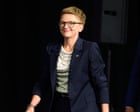
The Greater Manchester mayoral byelection has delivered a decisive outcome, with Labour establishing overwhelming dominance in a contest that reshapes regional political influence. Bev Craig, the Manchester city council leader, has emerged victorious and will assume one of the most significant political offices outside the Westminster sphere, succeeding Andy Burnham in a role that commands substantial executive authority across the metropolitan region.
Recovery of Previously Lost Territory
Labour's triumph in this Greater Manchester mayoral byelection represents a strategic political recovery, as the party has successfully reclaimed districts that experienced political shifts during recent electoral cycles. The victory demonstrates renewed voter confidence in Labour's regional agenda, reversing electoral dynamics that had previously favored alternative parties in specific constituencies.
In particular, Labour has recovered support in areas where Reform UK achieved notable advances during the May electoral period. The party's organizational efforts and campaign messaging have evidently resonated with voters across demographic segments that had previously considered alternative political options, consolidating support through a unified campaign strategy.
Bev Craig's Path to Regional Leadership
Craig's election as mayor of Greater Manchester positions her at the helm of a major metropolitan authority with jurisdiction over eight boroughs and a population exceeding 2.8 million residents. Her background in Manchester city council administration provides substantial municipal governance experience, establishing credentials that align with the technical and administrative demands of mayoral responsibilities.
The transition from Andy Burnham marks a continuation of Labour's stewardship of the region's highest elected office. Burnham's previous tenure established administrative frameworks and policy initiatives that Craig will inherit, along with opportunities to develop distinct leadership priorities reflecting her own political vision and constituent concerns.
Broader Political Implications
This Greater Manchester mayoral byelection outcome carries implications extending beyond local administrative structures. The decisive nature of Labour's victory suggests stabilized electoral support in a region that represents significant metropolitan political importance within England's urban landscape. The party's ability to recover ground lost to competing political movements indicates effective campaign organization and messaging that appealed across constituency boundaries.
Reform UK's previous advances in Greater Manchester during May elections had signaled potential electoral realignment in urban areas traditionally associated with Labour support. The mayoral byelection result suggests that this realignment may have proven temporary or spatially limited to specific election contests rather than representing a fundamental shift in regional political allegiance.
Executive Authority and Regional Influence
The mayoral position within Greater Manchester carries extensive executive authority encompassing economic development, transportation infrastructure, social policy coordination, and metropolitan planning initiatives. The Greater Manchester mayor operates as an elected representative with direct constituents across the eight constituent boroughs, holding responsibility for implementing policies addressing regional priorities identified through public consultation and electoral mandates.
Craig's assumption of these responsibilities occurs within a broader context of devolved governance structures in England, where metropolitan mayors exercise delegated authority from national government while maintaining accountability to local electoral constituencies. The Greater Manchester mayoral byelection thus represents not merely a local political contest but a determination of regional leadership with implications for policy implementation affecting millions of residents across the metropolitan area.