Infantino's Future Uncertain: Who Could Lead FIFA Next?
FIFA President Gianni Infantino faces scrutiny after abandoning World Cup stake sales. Explore potential successors if leadership changes occur.
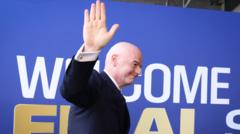
FIFA President Infantino Under Pressure
FIFA president Gianni Infantino finds himself navigating turbulent waters following his decision to withdraw plans for selling stakes in the World Cup. The move has sparked considerable debate within international football circles regarding his continued leadership and the organization's future direction. This controversial stance raises important questions about FIFA's governance structure and the potential for leadership changes at the highest levels of world football administration.
The World Cup Stake Sale Withdrawal
The FIFA president's abrupt reversal on the World Cup commercial strategy has become a focal point of international scrutiny. Infantino had previously explored the possibility of monetizing the tournament through stake sales, a move designed to generate substantial revenue for the organization. However, mounting opposition from various stakeholders—including national federations, commercial partners, and governance bodies—forced a recalculation of this approach. This retreat signals potential vulnerabilities in Infantino's strategic vision and raises broader concerns about FIFA's institutional decision-making processes.
Stakeholder Reactions and Criticism
Multiple constituencies within global football have expressed reservations about the FIFA president's handling of this situation. Member associations questioned whether such a significant commercial initiative received adequate consultation before being announced. Commercial partners expressed concerns about the implications for existing broadcast and sponsorship agreements. These multifaceted criticisms suggest that Infantino's political capital within FIFA may have diminished considerably, creating an environment where questions about succession planning become increasingly relevant.
Potential Successors to the FIFA Presidency
Should Infantino step down or face removal, several figures could potentially emerge as candidates for FIFA president. These individuals possess varying degrees of experience, international standing, and vision for world football's governance.
UEFA Officials and European Candidates
European football leadership represents one potential source for FIFA's next president. Officials within UEFA's administrative structure have extensive experience managing continental operations and international relations. Their familiarity with FIFA governance systems and established connections within global football networks position them as credible alternatives. Several UEFA-affiliated administrators have previously served on FIFA committees and understand the organization's operational complexities.
South American Football Leadership
South American confederation leaders could also be considered serious contenders. CONMEBOL's administrative professionals bring decades of experience managing football across the continent and maintaining diplomatic relations with other confederations. Their track record in handling major tournaments, including Copa América organization, demonstrates capability at the highest organizational levels.
African Football Federation Representatives
CAF (Confederation of African Football) officials represent another significant pool of potential candidates. African representatives argue persuasively for greater inclusion in FIFA's senior leadership positions, pointing out historical underrepresentation. Qualified administrators from this confederation could bring fresh perspectives to FIFA's governance while addressing longstanding equity concerns within international football.
Requirements for FIFA Leadership
Any successor to the FIFA president position would need to demonstrate specific competencies and credentials. Candidates must possess proven executive experience managing large international organizations, substantial experience within football governance structures, and demonstrated ability to navigate complex political relationships among multiple confederations. Additionally, the successful candidate would need to address credibility gaps, restore confidence among member associations, and articulate a clear vision for FIFA's future that balances commercial interests with football development priorities.
Broader Governance Implications
The uncertainty surrounding the FIFA president's tenure reflects deeper structural questions about international football governance. The World Cup stake sale controversy highlighted tensions between commercial modernization and traditional federation autonomy. Any leadership transition would likely involve recalibrating FIFA's approach to revenue generation, tournament management, and relations with member confederations.
The organization faces pressure to demonstrate transparent decision-making processes that adequately involve stakeholder consultation before major strategic announcements. Future FIFA leadership will need to balance innovation with institutional stability while addressing concerns about governance accountability and democratic participation within the organization's decision-making structures.
What Comes Next
Whether Infantino remains as FIFA president or transitions to new leadership, the organization faces critical decisions about its strategic direction. The World Cup stake sale withdrawal represents only one dimension of broader governance challenges requiring attention. Any incoming FIFA president would inherit an organization navigating complex relationships with national federations, dealing with evolving broadcast and sponsorship landscapes, and managing expectations for tournament development and football infrastructure investment globally.
The coming months will be crucial in determining whether Infantino stabilizes his position through strategic adjustments or whether FIFA moves toward a leadership transition. Either outcome will significantly shape international football governance and the organization's trajectory throughout the next decade.


