Hundreds Flee Greece Wildfire by Boat as Flames Sweep Europe
Over 500 tourists evacuated by sea from Agios Vasileios as Greece wildfire spreads. European blazes intensify across multiple regions threatening communities.
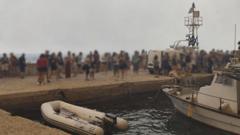
Mass Sea Evacuation as Greece Wildfire Forces Coastal Retreat
A Greece wildfire emergency escalated dramatically when approximately 500 people, predominantly holidaymakers, required urgent rescue from coastal areas. The evacuation operation saw emergency responders orchestrate a coordinated sea-based rescue mission to extract stranded individuals from Agios Vasileios, a community that became increasingly threatened as flames advanced toward populated zones.
Scope of the Evacuation Operation
The Greece wildfire created a critical situation requiring immediate maritime intervention. Vessels were deployed to transport residents and visitors away from the danger zone after conventional evacuation routes became compromised. Authorities prioritized rapid extraction from Agios Vasileios, where terrain and fire progression made overland escape routes increasingly perilous for the trapped population.
Tourist Impact and Response Coordination
The evacuation predominantly affected tourists who were vacationing in the affected region when conditions deteriorated rapidly. Emergency management teams coordinated with local authorities to ensure orderly boarding procedures while monitoring the advancing fire front. Rapid response protocols enabled the successful movement of the majority of stranded individuals to safer locations along Greece's coastline.
Broader European Wildfire Crisis
The Greece wildfire represents one element of an escalating continental challenge. Across Europe, multiple regions face unprecedented fire activity, with blazes threatening infrastructure, agricultural zones, and populated communities simultaneously. Countries throughout the Mediterranean and beyond are mobilizing resources to contain spreading flames and protect vulnerable populations.
Regional Impact Assessment
Environmental conditions across Europe have created favorable circumstances for rapid fire propagation. Multiple nations report concerning trends in wildfire frequency and intensity, prompting governments to enhance firefighting capabilities and emergency preparedness measures. The Greece wildfire situation underscores broader climatic pressures affecting the entire continent.
Ongoing Threat Management
Fire management crews continue battling the Greece wildfire while monitoring related incidents across European territories. Weather patterns, fuel availability, and terrain characteristics continue influencing the trajectory of various blazes. Coordination between national and international fire services remains essential for containing the spreading threat.
Community Safety Priorities
Local authorities maintain vigilance regarding potential secondary evacuations as the Greece wildfire situation evolves. Residents in surrounding areas face precautionary measures and standby alerts. Emergency services have established reception centers for evacuees, providing necessary support services and temporary accommodation for displaced populations.
Future Response Framework
The Greece wildfire and concurrent European blazes highlight critical infrastructure needs for emergency response systems. Lessons from this crisis will inform policy discussions regarding disaster preparedness, evacuation procedures, and resource allocation. Both regional and continental authorities are assessing implications for future wildfire management strategies.


