Hamas Disarmament Strategy Encounters Major Hurdles Amid Gaza Conflict
Hamas disarmament plan faces significant obstacles in Gaza, yet presents a potential pathway toward peace. Explore the political complexities and challenges ahe...
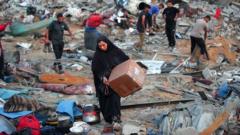
Hamas Disarmament Plan: Navigating Complex Political Terrain
The prospect of a Hamas disarmament plan represents one of the most intricate challenges confronting international policymakers and regional stakeholders. While the Hamas disarmament initiative encounters formidable obstacles, it simultaneously offers a fragile window of opportunity for stability and reconstruction in Gaza.
Analysts and diplomatic experts acknowledge that the multifaceted nature of this undertaking extends far beyond simple military considerations. The intersection of political rivalries, prolonged military conflict, pervasive distrust among parties, and the staggering human and material costs already incurred in Gaza create an extraordinarily demanding environment for any potential agreement.
The Political Landscape and Trust Deficit
One of the primary complications surrounding a Hamas disarmament plan involves the profound absence of mutual trust between key actors. Years of conflict have created deep-seated suspicions and competing narratives regarding intentions and commitments. Political factions possess divergent interests and objectives, making consensus exceptionally difficult to achieve.
The institutional frameworks required to oversee any disarmament process would necessitate cooperation among entities with fundamentally opposed goals. Establishing credible monitoring mechanisms and enforcement protocols demands a level of confidence that current circumstances do not permit.
Military Realities and Ground-Level Challenges
The practical implementation of a Hamas disarmament initiative confronts significant obstacles rooted in military realities. Weapons caches, organizational structures, and operational capabilities extend throughout Gaza's infrastructure. Verifying compliance with disarmament commitments would require intrusive inspections and unprecedented access to territories and facilities.
Additionally, competing armed groups and splinter organizations within Gaza possess their own arsenals and strategic interests. Coordinating disarmament across these fragmented entities presents logistical and political complexities that challenge even experienced international observers.
The Toll of Conflict on Gaza's Population
The accumulation of human casualties and infrastructure destruction fundamentally shapes the context for any Hamas disarmament plan. Thousands of fatalities, widespread displacement, and severe damage to civilian infrastructure have generated profound grievances and skepticism regarding peace proposals.
Communities throughout Gaza face urgent humanitarian needs, including food security, medical services, and shelter reconstruction. These pressing priorities can complicate negotiations focused on military disarmament, as stakeholders insist on simultaneous attention to recovery and development initiatives.
International Involvement and Diplomatic Frameworks
Successful implementation of a Hamas disarmament plan would require robust international oversight and commitment. External parties must balance support for various factions while maintaining credibility as neutral facilitators. Geopolitical considerations and competing international interests further complicate these diplomatic efforts.
Regional powers possess divergent strategic objectives regarding Gaza's future status and governing structures. Their involvement in disarmament negotiations introduces additional variables that negotiators must navigate carefully to maintain momentum toward agreement.
Potential Pathways Forward Despite Obstacles
Despite these considerable challenges, proponents of the Hamas disarmament plan argue that the current moment presents unprecedented possibilities for transformation. Exhaustion from prolonged conflict, international pressure for humanitarian intervention, and recognition of shared interests in stability may create openings for meaningful dialogue.
Incremental approaches involving confidence-building measures, phased disarmament commitments, and international guarantees could potentially provide a framework for the Hamas disarmament plan to progress gradually. Sequencing critical steps and establishing clear benchmarks might address concerns about verification and compliance.
Conditions Required for Success
Achieving meaningful progress on a Hamas disarmament plan necessitates several fundamental conditions. First, all parties must demonstrate genuine commitment to abandoning military solutions in favor of negotiated settlements. Second, credible international oversight mechanisms must gain acceptance from regional and local stakeholders.
Third, comprehensive agreements addressing political governance, economic development, and humanitarian reconstruction must accompany military disarmament initiatives. Treating the Hamas disarmament plan in isolation from broader peace infrastructure would likely prove insufficient for establishing sustainable peace.
Conclusion
The Hamas disarmament plan undoubtedly confronts formidable obstacles rooted in political complexities, military realities, and profound historical grievances. However, the recognition that current trajectories prove unsustainable for all parties involved suggests that creative diplomacy and determined international support might yet facilitate meaningful progress. Success remains uncertain, yet the stakes involved demand that policymakers maintain engagement with this critical initiative.


