Funeral Director Sentenced to Two Decades in Prison for Failing to Handle Bodies
A funeral director has been sentenced to 20 years in prison for failing to bury bodies and cremating remains improperly. Learn about this shocking case of negli...
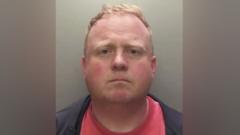
Funeral Director Receives 20-Year Sentence for Grave Misconduct
A funeral director has been sentenced to two decades in prison following a deeply disturbing investigation into his funeral home operations. The funeral director sentenced prison for his repeated failures to properly handle human remains has shocked the funeral industry and devastated countless grieving families across the region.
The case unfolded after authorities discovered that the operator of the establishment had systematically failed to fulfill basic funeral service obligations. Instead of providing the dignified treatment that families entrusted him with, he engaged in a pattern of negligence and deception that extended across multiple years of operation.
Multiple Failures in Body Handling and Cremation Services
Robert Bush, the disgraced funeral home operator, failed to properly bury numerous bodies that had been entrusted to his care by grieving relatives. Beyond the failures in burial services, Bush also neglected cremation procedures, demonstrating a comprehensive breakdown in professional responsibility across all aspects of his business operations.
The investigation revealed that Bush did not cremate individuals as promised by their families. This negligence meant that families were left waiting indefinitely for the return of their loved ones' remains, creating prolonged emotional distress during an already vulnerable period of mourning.
Distribution of Stranger's Ashes to Bereaved Families
Perhaps most disturbing was the discovery that Bush had given bereaved relatives the ashes of strangers instead of their own family members. This shocking betrayal of trust meant that families believed they were receiving their loved ones' remains when, in reality, they possessed the cremated remains of completely unrelated individuals.
The implications of this deception extended far beyond the immediate emotional trauma. Families performed memorials, burial ceremonies, and kept what they believed were their loved ones in urns and memorial sites, only to discover the horrifying truth years later. The psychological impact on these families has been immeasurable.
Investigation and Legal Proceedings
Law enforcement authorities initiated a comprehensive investigation into Bush's funeral home operations after complaints from multiple bereaved families raised red flags about missing remains and incomplete cremations. As investigators delved deeper, they uncovered an extensive pattern of misconduct spanning numerous cases.
The evidence presented during trial documented numerous instances of failed burial services, incomplete cremations, and the deliberate or negligent distribution of incorrect remains to grieving families. The prosecution presented testimony from multiple families who had experienced the emotional devastation of discovering their trust had been systematically violated.
Sentencing and Justice
The court determined that the severity of Bush's misconduct warranted a substantial prison sentence. The 20-year prison term reflects the seriousness of his violations and the profound harm caused to dozens of families who entrusted him with their most sacred responsibilities.
This case has prompted significant discussions within the funeral industry regarding oversight, regulation, and accountability. Many states have subsequently reviewed their licensing and inspection protocols for funeral homes to prevent similar abuses from occurring in the future.
Impact on Grieving Families
For the families affected by this scandal, the road to closure has been exceptionally difficult. Many have had to undergo the traumatic process of identifying and properly burying their loved ones long after the initial funeral services should have concluded. Support groups and counseling services have been made available to help survivors cope with the unique trauma of this betrayal.
The case serves as a stark reminder of the importance of regulatory oversight in industries that hold significant emotional and legal responsibility for vulnerable populations during their most difficult moments.


