Funeral Director Sentenced to 20 Years Prison for Body Mishandling
A funeral director has been sentenced to 20 years in prison for failing to properly bury and cremate deceased individuals, giving families incorrect ashes.
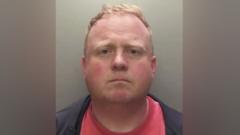
Funeral Director Receives 20-Year Prison Sentence for Body Mishandling Scandal
A funeral director has been sentenced to 20 years in prison for his severe criminal negligence involving the mishandling of deceased individuals. The shocking case involved a funeral director who systematically failed to properly bury and cremate multiple bodies, causing devastating consequences for grieving families who entrusted him with their loved ones' final arrangements.
The Extent of the Misconduct
The funeral director's criminal activities extended far beyond simple negligence. Over an extended period, he failed to perform basic funeral services that families had paid for and expected to receive. Bodies were left unburied while cremation services were not completed as promised. The level of deception went even further when the funeral director provided grieving relatives with the ashes of complete strangers, compounding their emotional trauma.
Impact on Bereaved Families
The consequences of this funeral director's actions have been profoundly devastating for the families affected. Relatives who came to this funeral home seeking dignified and respectful treatment of their deceased loved ones were instead victimized by fraud and betrayal. Families unknowingly received ashes that did not belong to their deceased relatives, a violation that deepened their grief and sense of violation during their most vulnerable moments.
Investigation and Legal Proceedings
Authorities launched a comprehensive investigation into the funeral home's operations after concerns were raised about missing bodies and incomplete cremations. The investigation uncovered extensive documentation of failures to provide promised services. The funeral director's records showed numerous instances where families' payments went unmatched with actual services rendered. Evidence presented during the legal proceedings demonstrated a pattern of systematic deception and negligence spanning multiple cases.
Criminal Charges and Conviction
The funeral director faced multiple serious criminal charges related to his misconduct. The charges included failure to properly inter deceased individuals, failure to complete cremation services as contracted, and fraudulently providing families with ashes not belonging to their loved ones. During the trial, prosecutors presented compelling evidence showing the deliberate nature of many violations, distinguishing between simple errors and intentional misconduct.
The 20-Year Sentence
The judge's decision to impose a 20-year prison sentence reflected the gravity of the offenses and the severe harm caused to vulnerable individuals. The sentence takes into account the breach of trust inherent in funeral service operations, where families place themselves in a position of significant vulnerability. The judge emphasized that funeral directors hold a sacred responsibility to treat the deceased and their families with dignity and respect.
Regulatory Implications
This case has prompted renewed scrutiny of funeral home licensing and oversight practices. Industry regulators are examining whether existing inspection protocols are sufficiently rigorous to detect such abuses. The case highlights the need for better transparency in funeral operations and stronger accountability measures to protect consumers during their most vulnerable times.
Lessons for the Funeral Industry
The scandal serves as a stark reminder of the importance of regulatory compliance and ethical business practices in the funeral service industry. Families entrust funeral homes with irreplaceable treasures and profound responsibilities. Any breach of this trust, whether through negligence or intentional misconduct, violates fundamental principles of human dignity and respect for the deceased.
The conviction of this funeral director demonstrates that those who exploit grieving families and mishandle the deceased will face serious legal consequences. His 20-year prison sentence sends a clear message about the severity with which the justice system treats such violations of public trust in the funeral services sector.


