Funeral Director Sentenced to 20 Years for Failing to Bury Bodies
A disgraced funeral director receives 20 years in prison for failing to bury bodies and cremating remains incorrectly, devastating grieving families.
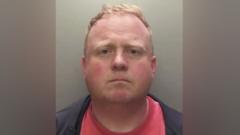
Funeral Director Faces Two Decades Behind Bars for Negligence
A prominent funeral director has been sentenced to 20 years in prison following a shocking criminal case involving multiple failures in his duty of care. The funeral director sentenced to this substantial prison term was convicted of gross negligence after failing to properly handle the remains of deceased individuals entrusted to his funeral home. This case has sent ripples through the funeral service industry, raising serious questions about oversight and accountability in the profession.
Deception and Mishandling of Remains
The convicted funeral professional engaged in systematic deception that extended far beyond simple administrative errors. According to court records, the funeral director sentenced in this case failed to complete burial services for multiple clients over an extended period. More egregiously, he failed to cremate individuals as their families had specifically requested and paid for. Instead of informing families of these failures, he provided them with cremated remains that did not belong to their deceased loved ones.
Families Deceived With Stranger's Ashes
Among the most disturbing aspects of this case is the fact that bereaved relatives received the ashes of complete strangers. Grieving families, already vulnerable and emotionally devastated, were given false assurances that they possessed their loved one's remains. This deception compounded their trauma significantly. The scale of this misconduct only became apparent when families sought additional services or began asking questions about inconsistencies in the cremation process.
Impact on Bereaved Families
The consequences of this funeral director's actions have been devastating for numerous families. Relatives discovered that what they believed to be their loved one's final remains were actually those of unidentified individuals. The emotional and psychological toll on these families cannot be overstated. Many had conducted memorial services, scattered ashes in meaningful locations, or kept urns in their homes, only to learn the truth years later.
Legal Accountability and Justice
The 20-year prison sentence reflects the severity of the crimes committed. The court determined that the systematic nature of the deception, combined with the emotional harm inflicted on vulnerable families, warranted a substantial custodial sentence. During proceedings, evidence revealed that this was not a matter of occasional mistakes but rather a pattern of deliberate negligence and fraud.
Industry-Wide Implications
This case has prompted serious discussions about regulatory oversight in the funeral service industry. Many jurisdictions are now examining their licensing and inspection procedures to prevent similar cases from occurring. Funeral homes are increasingly required to implement more rigorous record-keeping systems and family verification protocols.
Strengthened Regulations
Following this high-profile conviction, several states have proposed or enacted stricter regulations governing funeral homes. These include mandatory inventory systems for remains, more frequent inspections, and enhanced training requirements for funeral directors. Consumer protection advocates have called for even more comprehensive oversight measures.
Warning Signs Missed
Investigators discovered that warning signs about this funeral director's conduct had emerged years before his arrest. Families had made complaints about missing services, delayed burials, and inconsistencies in cremation documentation. However, inadequate regulatory mechanisms failed to properly investigate or intervene in a timely manner. This oversight gap has become a focal point for industry reform efforts.
Moving Forward
The funeral industry faces heightened scrutiny and calls for modernization. Professional organizations have established new ethical guidelines and continue to work with regulators to establish best practices. For families who were victimized, some compensation and counseling services have been made available, though these measures cannot undo the profound betrayal of trust they experienced.
Conclusion
The case of this funeral director sentenced to 20 years in prison serves as a sobering reminder of the importance of accountability and oversight in professions that serve vulnerable populations. The breach of trust was absolute, and the consequences have extended far beyond the courtroom, affecting how families view the funeral service industry. As regulations continue to evolve, the hope is that such egregious failures can be prevented in the future, and families can once again feel secure entrusting their loved ones to funeral professionals.


