Funeral director sentenced to 20 years for failing to bury bodies
A disgraced funeral director has been jailed for 20 years after failing to bury and cremate bodies, giving families the ashes of strangers instead.
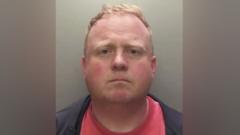
Funeral Director Sentenced to 20 Years for Systematic Body Mishandling
A disgraced funeral director has received a significant prison sentence after being convicted of failing to properly handle deceased individuals under his care. The funeral director was sentenced to 20 years in prison for his systematic negligence and fraudulent practices that devastated grieving families across multiple jurisdictions.
This case represents one of the most severe breaches of trust in the funeral services industry, involving the willful failure to bury bodies as requested by bereaved relatives. Beyond the initial failures in burial services, the investigation revealed a pattern of misconduct that extended to cremation procedures as well.
Failure to Perform Essential Funeral Services
The core of the criminal charges against the funeral director involved his repeated failure to cremate individuals who had chosen cremation as their final disposition method. Instead of fulfilling these solemn obligations, the funeral director maintained deceased persons in his facilities without completing the required procedures.
Families who had entrusted their loved ones to the funeral home were left waiting indefinitely for the return of cremated remains. Many relatives made multiple inquiries and requests for updates, only to receive vague responses or false assurances that services were being completed.
Ashes of Strangers Given to Grieving Families
Perhaps most disturbing was the discovery that the funeral director had been providing cremated remains to families that did not belong to their deceased relatives. Bereaved families unknowingly received the ashes of complete strangers, a violation of both legal and ethical standards within the funeral services profession.
This practice compounded the trauma already experienced by grieving families. Relatives believed they were honoring their loved ones by keeping their ashes in urns and following personalized memorial practices, when in fact they were holding the remains of unrelated individuals.
Investigation and Legal Consequences
Authorities launched an extensive investigation after receiving complaints from multiple families about missing remains and inconsistent documentation. The funeral director's records revealed systemic disorganization and intentional mishandling of bodies and cremated remains.
Investigators discovered numerous deceased individuals who had never been properly buried or cremated despite families paying for these services. The funeral home's storage facilities contained remains that had been stored improperly for extended periods, some without proper identification or documentation.
Impact on Grieving Families
The emotional and psychological impact on the affected families has been profound. Bereaved relatives faced the additional trauma of learning that their loved ones had not received the respectful final disposition they had requested and paid for.
For those families who unknowingly received the ashes of strangers, the discovery created a secondary grief crisis. Many families had already completed memorial services and burial ceremonies based on the false assumption that they possessed their loved one's actual remains.
Funeral Industry Reforms and Oversight
This case has prompted discussions about strengthening oversight and regulation within the funeral services industry. Licensing boards and regulatory agencies have reviewed their inspection protocols and enforcement procedures to prevent similar abuses.
Industry experts have called for improved documentation standards, more frequent audits of funeral homes, and stronger penalties for violations. Professional crematory operators now face additional requirements to verify the identity of remains throughout the cremation process.
The 20-Year Sentence
The 20-year prison sentence reflects the severity of the crimes and the betrayal of trust involved. Prosecutors argued that the systematic nature of the misconduct, combined with the psychological harm inflicted on bereaved families, warranted a lengthy incarceration period.
The sentencing sends a clear message that violations of trust in the funeral services industry will be prosecuted with considerable force. The funeral director's conviction serves as a cautionary tale about the importance of regulatory oversight and accountability in professions that serve vulnerable populations during their most difficult times.


