Funeral Director Jailed 20 Years for Failing to Bury Bodies
A disgraced funeral director faces 20 years in prison after failing to bury bodies and cremating remains improperly. Read the full story.
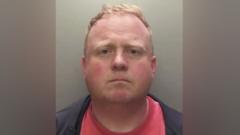
Funeral Director Faces Two Decades in Prison for Grave Violations
A funeral director has been convicted and sentenced to 20 years in prison following a shocking scandal involving the improper handling of deceased individuals and cremation services. The case has exposed serious breaches in funeral home operations that violated the trust of grieving families seeking respectful burial and cremation arrangements.
The Scope of the Violations
The funeral director failed to properly inter multiple bodies entrusted to his care, leaving families devastated by the revelation that their loved ones were not laid to rest as promised. Furthermore, the individual responsible for these offenses did not cremate individuals according to their family's wishes and instructions, compounding the emotional trauma inflicted on bereaved relatives.
Mishandled Cremains and Deceptive Practices
Among the most disturbing aspects of this case was the discovery that grieving families received ashes that did not belong to their deceased loved ones. Instead of the cremains of their family members, bereaved relatives were given the ashes of strangers, representing a profound violation of trust and dignity during their time of mourning.
This deceptive practice not only caused immediate emotional devastation but also raises questions about the integrity of funeral home record-keeping systems and the lack of proper oversight mechanisms designed to prevent such occurrences. The distribution of incorrect cremains represents one of the most egregious violations in funeral industry standards.
Impact on Families and the Community
The families affected by these crimes have been forced to confront the painful reality that their loved ones were not afforded the respect and dignity they deserved during their final arrangements. Many relatives discovered the truth only after months or years had passed, prolonging their grief and betrayal.
The scandal has raised serious concerns about industry regulation and the implementation of better safeguards to protect families during their most vulnerable moments. Questions have emerged regarding the inspection protocols and licensing requirements that should have prevented these violations from occurring.
Legal Consequences and Sentencing
The conviction and 20-year prison sentence represent a significant penalty for the systematic failures in handling deceased individuals and cremation services. This substantial sentence reflects the severity of the crimes committed and the extensive harm caused to multiple families.
Legal experts have noted that such lengthy sentences for funeral home violations are relatively uncommon, underscoring the particularly egregious nature of the offenses and the deliberate deception involved in providing families with incorrect cremains.
Broader Implications for the Funeral Industry
This case has sparked renewed discussions about standards for funeral home operations, crematory management, and the need for enhanced tracking systems to ensure the proper identification and handling of remains throughout the cremation and burial process.
Industry experts have called for stricter regulations, more frequent inspections, and improved training protocols to prevent similar violations from occurring at other funeral establishments. The incident has also prompted calls for families to request documentation and verification when arranging funeral services.
The conviction demonstrates that authorities take seriously the proper handling of deceased individuals and are prepared to prosecute those who betray the trust of grieving families during their time of need.


