British Airways Emergency Landing: Passenger Recounts Terrifying Mayday Moments at Heathrow
A British Airways passenger reveals the panic and fear experienced during an emergency landing at Heathrow. Read the shocking account of the mayday flight incid...
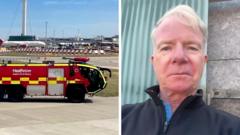
Passenger Shares Harrowing Account of British Airways Emergency Landing
A British Airways emergency landing at London's Heathrow Airport earlier this month has left passengers traumatized following a frightening in-flight emergency. Edward Killiwick, who was aboard the aircraft when the pilots issued a distress signal, has now revealed the terrifying moments experienced by those on board during the critical situation.
The British Airways emergency landing unfolded unexpectedly as the aircraft encountered difficulties mid-flight, prompting the crew to declare a mayday situation. Killiwick's firsthand testimony provides insight into the psychological toll such aviation emergencies place on travelers and crew members alike.
Inside the Aircraft During the Mayday Declaration
During the critical moments when the flight crew broadcast the distress signal, passengers aboard experienced mounting anxiety and uncertainty. Killiwick described the atmosphere aboard the aircraft as passengers became aware of the emergency situation unfolding around them. The realization that the aircraft was in distress created an environment filled with apprehension and concern about what would ultimately occur.
The emotional response from those aboard varied, with some passengers struggling to come to terms with the severity of the situation. Expressions of fear were audible throughout the cabin, as individuals grappled with their mortality and the unknown outcome of the emergency.
The Moment of Greatest Fear and Despair
Among the harrowing details shared by Killiwick was the overwhelming sense of dread that permeated the cabin. Passengers vocalized their worst fears, with cries of "I don't want to die" echoing through the aircraft. These desperate utterances reflected the genuine terror experienced by those who believed they might not survive the ordeal.
The intensity of emotion during such life-threatening situations cannot be overstated. Passengers faced an existential crisis, confronting the possibility of tragedy while confined in an aircraft traveling at altitude. The psychological impact of such moments extends far beyond the duration of the emergency itself, affecting survivors long after the crisis has passed.
The Successful Resolution at Heathrow
Despite the terrifying circumstances, the flight ultimately concluded with a successful landing at London Heathrow Airport. The skilled intervention of the flight crew and coordination with air traffic control resulted in a safe outcome for all passengers and crew members aboard the aircraft. This successful resolution transformed what could have been a catastrophic incident into a survivable emergency.
The landing at Heathrow marked the end of an ordeal that seemed to stretch infinitely for those aboard. As the aircraft came to rest safely on the runway, relief washed over the surviving passengers, many of whom had feared the worst during the critical moments preceding the landing.
Understanding Airline Safety and Emergency Protocols
The incident highlights the critical importance of rigorous airline safety standards and comprehensive crew training. Modern aviation has established sophisticated emergency procedures designed to manage crisis situations and protect passengers. The successful outcome of this mayday flight demonstrates the effectiveness of these systems when properly implemented by trained professionals.
Airlines like British Airways maintain strict protocols for emergency situations, ensuring that crew members receive regular training in crisis management. These protocols include clear communication procedures, coordination with ground control, and systematic approaches to landing aircraft safely under duress.
Passenger Recovery and Long-Term Impact
Following any aviation emergency, passengers often require time to process the traumatic experience. Killiwick's decision to share his account reflects the broader human need to externalize and understand such frightening events. Speaking publicly about traumatic experiences can aid in psychological recovery and help others understand the realities of airline emergencies.
The Heathrow airport incident serves as a reminder of the inherent risks associated with air travel, however minimal, and the profound impact such events have on those directly involved. Mental health support resources are often provided to affected passengers and crew members to facilitate healing and recovery.
Conclusion: Survival and Resilience
The account provided by Edward Killiwick regarding the British Airways emergency landing underscores both the vulnerability of passengers at 35,000 feet and the remarkable effectiveness of modern aviation safety systems. While the experience was undoubtedly traumatic, the successful outcome demonstrates that even in moments of greatest peril, proper training, protocols, and professional execution can mean the difference between tragedy and survival.