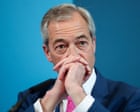
Andy Burnham Proposes Freedom of Movement Debate
Andy Burnham seeks open dialogue on restoring free movement between UK and EU. Prime minister explores new Brussels relationship before November summit.

Prime Minister Opens Door to Freedom of Movement Discussion
Andy Burnham has indicated his willingness to engage in a transparent conversation with British citizens regarding the potential reintroduction of freedom of movement between the United Kingdom and the European Union. This initiative forms part of a broader strategic framework aimed at restructuring the bilateral relationship with the Brussels-based institution.
The prospect of freedom of movement UK EU has become increasingly relevant as the government evaluates multiple pathways for future cooperation. Burnham's approach reflects a shift toward examining arrangements that could reshape trade, immigration, and employment policies across the channel.
Exploring Comprehensive EU Integration Options
The administration is actively considering several distinct frameworks that could govern future interactions with European partners. This exploratory phase precedes a significant diplomatic gathering scheduled for November, where key decisions regarding the UK's European strategy are anticipated to be discussed and potentially finalized.
Burnham has demonstrated considerable candor regarding his administration's ambitions for the European relationship. Previous statements have suggested that negotiations could extend to scenarios where the United Kingdom pursues a path leading to complete European Union reintegration, though such considerations remain contingent upon broader political consensus and public support.
Strategic Considerations Behind the Proposal
The inclusion of freedom of movement in policy discussions represents a significant departure from previous governmental positions. Such a measure would necessitate comprehensive public debate, as it directly affects employment opportunities, residence rights, and social mobility across borders.
Public consultation appears central to Burnham's strategy. By framing this as an "honest discussion," the administration seeks to establish a foundation of democratic legitimacy for whatever decisions ultimately emerge from ongoing negotiations. This consultative approach aims to distinguish the current administration's methodology from previous policy formulations.
Implications for UK-EU Trade and Economic Relations
The potential reintroduction of freedom of movement UK EU mechanisms could have substantial ramifications for multiple economic sectors. Industries ranging from healthcare and technology to hospitality and agriculture have long advocated for simplified labor movement protocols.
Economic modeling suggests that unrestricted freedom of movement could facilitate business operations, enhance workforce flexibility, and potentially address identified skills shortages across various professional domains. Conversely, implementation would require careful management of social services, housing availability, and community integration infrastructure.
Timeline and Diplomatic Milestones
The November summit represents a critical juncture in this evolving process. Decision-makers are expected to outline the government's negotiating priorities and establish preliminary frameworks for discussions with European counterparts. The outcome of these deliberations will likely shape policy directions for ensuing years.
Burnham's inclusive communication strategy suggests the administration intends to build momentum through successive rounds of consultation before presenting formalized proposals to Brussels. This staged approach allows for public input while maintaining diplomatic flexibility during international negotiations.
Public and Political Response
The discussion of freedom of movement has generated considerable debate among political constituencies, business organizations, and civil society groups. Stakeholders hold divergent perspectives regarding optimal arrangements for UK-EU engagement, reflecting broader societal divisions that continue to characterize European policy discussions.
The prime minister's emphasis on transparency and open dialogue appears designed to accommodate multiple viewpoints while moving toward eventual policy consensus. This technique seeks to distinguish current governance practices from previous administrations perceived as more restrictive in consultation methodologies.
Looking Forward
As Britain contemplates its European future, questions concerning freedom of movement UK EU remain central to broader relationship recalibration efforts. The coming months will reveal whether proposed discussions yield actionable policy developments or represent preliminary exploratory conversations without immediate concrete outcomes.
Burnham's commitment to engaging the public in this process signals that European policy decisions will henceforth be framed as collective undertakings rather than elite-driven determinations. This philosophical orientation may itself prove consequential for how future UK-EU arrangements ultimately develop and gain implementation.