Andy Burnham Attributes UK Economic Vulnerability to Conservative Policies
Labour PM Burnham challenges Tory economic legacy in first PMQs clash with Badenoch, citing market instability and debt concerns.
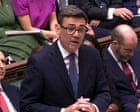
Burnham's First PMQs Challenge: Addressing Economic Concerns
During his inaugural prime ministers' questions confrontation with Conservative leader Kemi Badenoch, Andy Burnham directly attributed the current UK economic vulnerability to the lasting consequences of the previous government's policies. As the nation's borrowing costs continued their upward trajectory, the Labour prime minister argued that years of conservative economic stewardship had fundamentally weakened the country's resilience against financial market fluctuations.
The exchange marked a significant moment in parliamentary proceedings, with Burnham facing immediate criticism from Badenoch, who sought to draw parallels between current market pressures and the tumultuous period following Liz Truss's controversial mini-Budget. The Conservative opposition leader's comparison suggested that the current administration's policies were creating similar economic instability to that witnessed during the brief Truss premiership.
Conservative Legacy and Economic Exposure
Burnham firmly rejected the comparison, pivoting the discussion to what he characterized as systematic failures under the previous Conservative administration. The prime minister contended that the Tories' inability to foster sustainable economic growth, combined with their approach to managing national debt, had left the UK economy inherently fragile and susceptible to external market shocks.
This assertion formed the cornerstone of Burnham's response strategy, presenting the argument that the UK economic vulnerability stemmed not from recent policy decisions but from a decade of conservative governance. He argued that the foundation laid by previous administrations had created structural weaknesses that now exposed the nation to unpredictable financial pressures.
Market Turmoil and Borrowing Costs
The timing of the exchange proved particularly significant given that UK borrowing costs were simultaneously escalating. These rising costs represented a tangible manifestation of market concerns about the nation's economic trajectory and creditworthiness. While Badenoch attributed the pressure to current government actions, Burnham maintained that the underlying vulnerability originated from the Conservative era's economic management failures.
The divergence in their interpretations reflected broader political disagreements about responsibility for economic conditions. Badenoch's attempt to equate current circumstances with the Truss period suggested that both represented examples of poor economic stewardship, whereas Burnham's framework separated the immediate market reaction from the foundational problems created by longer-term conservative policies.
The Broader Context of Economic Management
The parliamentary confrontation occurred against a backdrop of heightened economic sensitivity, with financial markets demonstrating increased volatility in response to policy announcements and economic data. The UK economic vulnerability became a central political narrative, with both sides of parliament offering competing explanations for why the nation faced such pressures.
Burnham's position emphasized that resolving the current situation required addressing the deep structural issues inherited from the previous government. His argument suggested that short-term market reactions, while concerning, were symptomatic of deeper problems that could only be resolved through comprehensive economic reform rather than incremental adjustments to policy.
Political Strategy and Forward Messaging
By framing the discussion around historical responsibility, Burnham attempted to shift focus from immediate policy outcomes to longer-term accountability. This rhetorical approach allowed the prime minister to acknowledge market pressures while simultaneously distancing his administration from responsibility for their emergence. The strategy suggested that the Labour government was inheriting rather than creating the conditions for economic vulnerability.
Badenoch's comparison to the Truss era represented a counter-narrative, seeking to hold the current administration accountable for its policy decisions regardless of inherited conditions. This exchange encapsulated a fundamental disagreement about how to assess economic responsibility in a context where multiple factors—international conditions, inherited structural problems, and current policy choices—all influenced outcomes.
Looking Forward: Economic Recovery and Stability
The debate over the sources of UK economic vulnerability carried implications for how each party would campaign and govern moving forward. Burnham's emphasis on conservative failures suggested a long-term narrative focused on systemic reform, while Badenoch's comparison hinted at claims that the Labour government was mismanaging the economy despite available resources and opportunities.
As borrowing costs continued their upward movement, both political leaders faced pressure to demonstrate credible approaches to restoring market confidence and achieving sustainable economic growth. The first PMQs clash between Burnham and Badenoch thus represented not merely a parliamentary disagreement but a fundamental contest over how to address the UK economic vulnerability that now characterized national economic discourse.